Close to Technology“Exploring Printing Technology at a World-Class Level.”
About Tsukuba Plant
A State-of-the-Art Production Hub that Embodies the Future of Printing Machinery Manufacturing
The Tsukuba Plant represents Komori’s vision for the future of printing machine production.
Its core concept-“Building the world’s leading printing machinery production system”-reflects our commitment to exceeding customer expectations and realizing our long-term mission to be a company that goes beyond expectations.
At Komori, we consider quality and reliability to be the foundation of manufacturing. This philosophy is deeply embedded in the design and operation of the Tsukuba Plant.
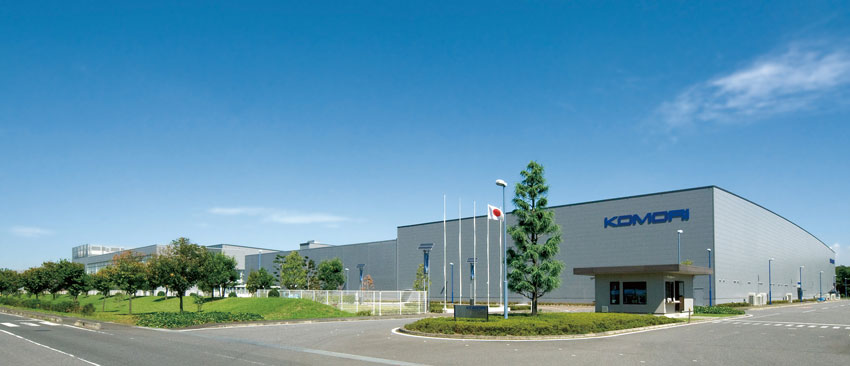
- Address: 203-1 Nakayama, Tsukuba, Ibaraki 300-1268
Tel: +81-29-839-0070 Fax: +81-29-839-0074 - Site Area: Approx. 185,000 m² Total Floor Area: Approx. 63,800 m²
- Facilities: Factory, R&D center, demonstration center, training center, welfare facilities
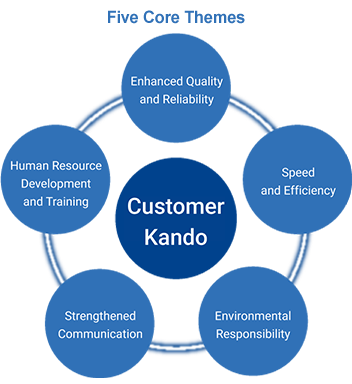
Five Core Themes of the Tsukuba PlantThe Tsukuba Plant is built around five core themes:
- 1.Enhanced Quality and Reliability
- 2.Speed and Efficiency
- 3.Environmental Responsibility
- 4.Strengthened Communication
- 5.Human Resource Development and Training
To realize these goals, we implemented not only advanced physical infrastructure but also new operational systems, including a next-generation production method, a new CAD platform, and integrated production/technical information-sharing frameworks.
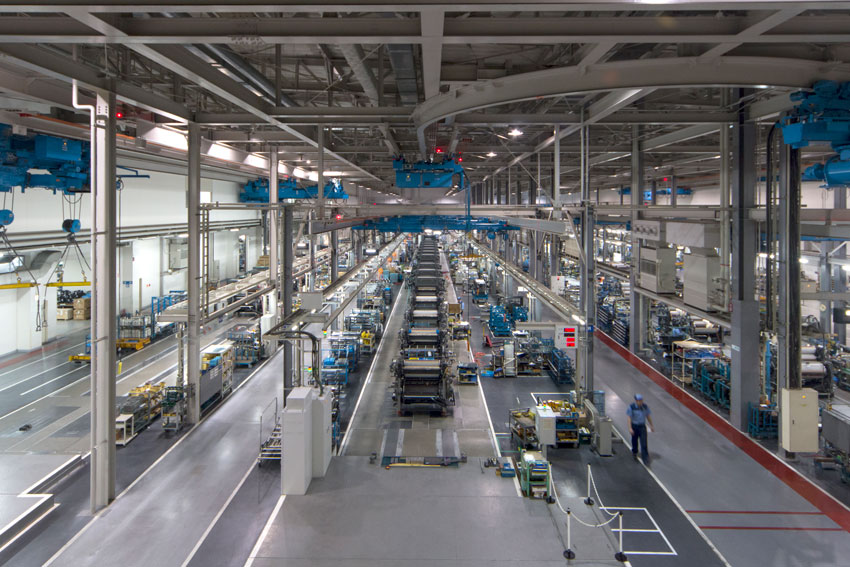
1) Enhanced Quality and Reliability
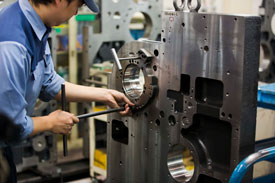
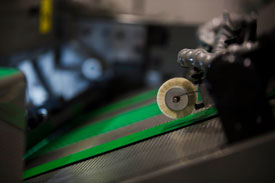
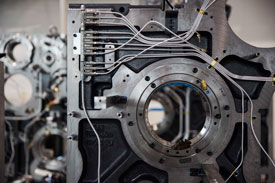
To establish the highest level of production technology, we pursue strict in-process quality assurance across all manufacturing stages.
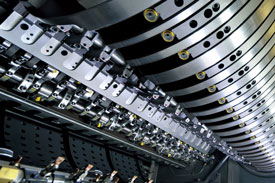
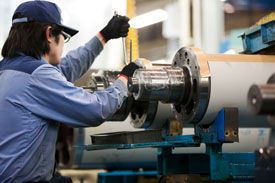
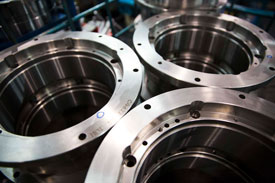
- Cutting-edge machining equipment for high-precision processing of key components such as frames and cylinders
- Expanded facilities for basic research, laboratories, and design review rooms to accelerate R&D
- Implementation of a new CAD system to strengthen design analysis capabilities
- Rigorous temperature control—essential for precision printing machine production
- A full testing structure covering machining, assembly, and pre-shipment inspection to guarantee consistent quality
2) Speed and Efficiency
We have introduced measures that improve speed and efficiency from R&D all the way to production and delivery.
- Upgraded production lines that shorten lead times and enhance operator safety
- A robust information network that facilitates seamless data sharing with internal teams and partner companies
- Just-in-time delivery systems that enable direct allocation of thousands of components
- Consolidation and close integration of production, administration, and design departments to streamline communication
3) Environmental Responsibility
Ranked 45th in the 2019 Environmental Management Survey in Japan, the Tsukuba Plant is designed with a strong emphasis on sustainability and environmental protection.
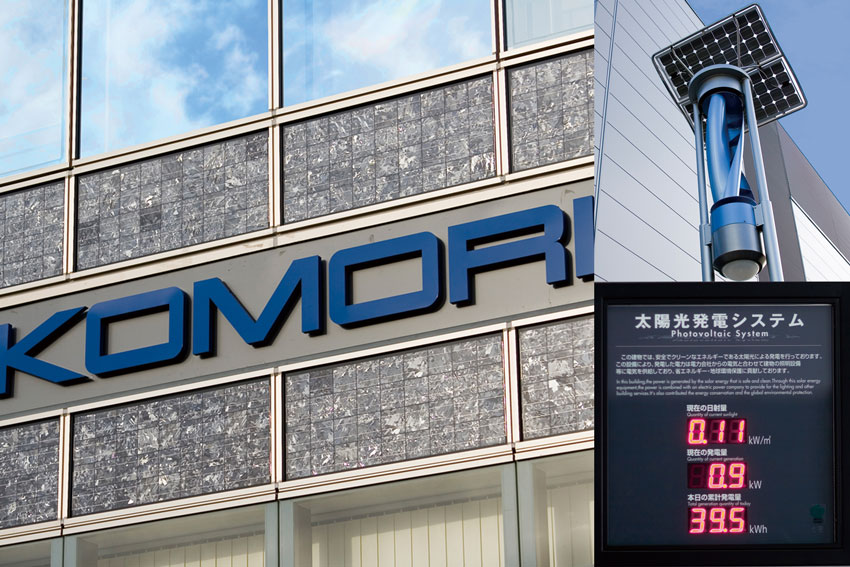
- Comprehensive initiatives to reduce environmental impact, including CO₂ reduction
- Plant design focused on reducing power consumption, noise, and odor
- Active utilization of renewable energy, including solar and small wind power
- Over 20 designated sorting zones established as part of our zero-emission strategy
4) Strengthened Communication
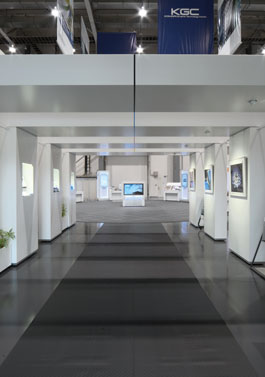
The facility layout and visitor areas are designed to support smooth communication among customers, suppliers, and employees.
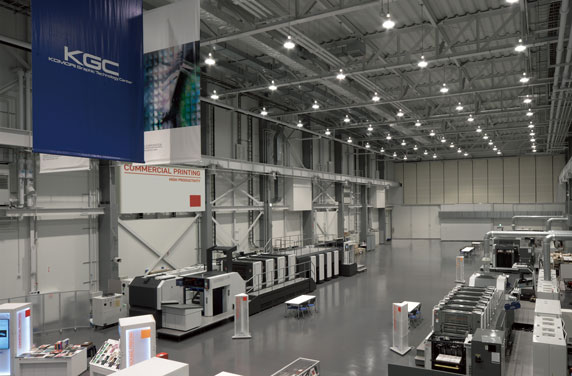
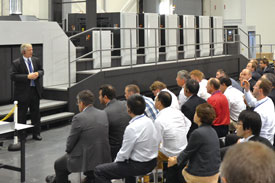
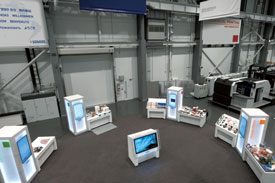
- A fully equipped demonstration center and training rooms for customer engagement
- A dedicated observation walkway that allows customers to view production quality firsthand
- Information networks that enable reliable communication with suppliers
- Open meeting spaces that remove barriers between departments and encourage collaboration
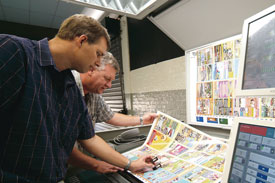
5) Human Resource Development and Training
To cultivate the next generation of technical talent, the plant is equipped with extensive training and education facilities.
- Skills training environments for machining, assembly, and field service
- Enhanced laboratory facilities for basic technology research, new technology development, and durability testing
- Dedicated rooms such as the Design Review Room and Value Engineering Room to strengthen management and engineering capabilities